The world can feel overwhelming, uncomfortable, or even painful for students with sensory processing challenges. At MDE School, we create carefully designed learning environments that honor each student’s unique sensory needs while on-site therapy services through our partner, Greater Atlanta Speech and Language Clinics, can be accessed by families to support regulation, focus, and readiness for learning.
Sensory processing challenges affect approximately 5-16% of children, making them more common than many people realize. These neurological differences in how the brain processes sensory information can significantly impact a student’s ability to participate in classroom activities, social interactions, and daily routines, but with proper understanding and support, students can thrive.
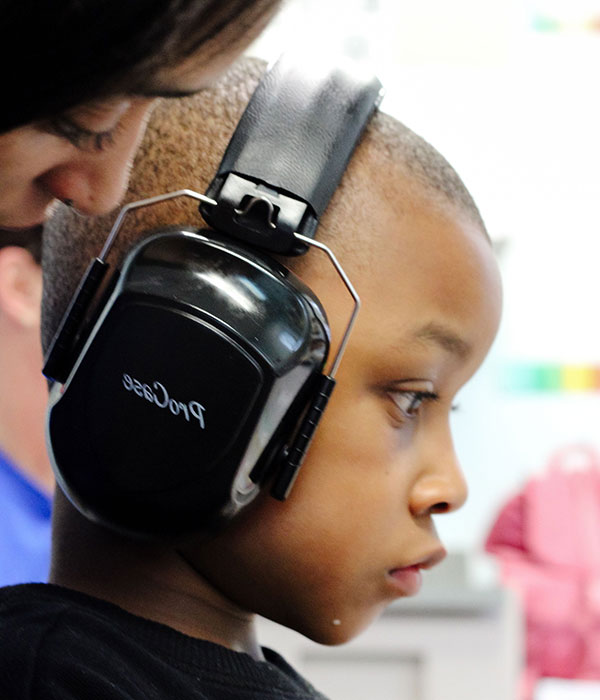
Understanding Sensory Processing Differences
Sensory processing involves how our nervous system receives, organizes, and responds to sensory information from our environment and our own bodies. Students with sensory processing challenges may be over-responsive to certain sensations (hypersensitive), under-responsive (hyposensitive), or seek intense sensory experiences (sensory seeking). Many students exhibit a combination of these patterns across different sensory systems.
These differences aren’t behavioral choices but neurological variations that require thoughtful accommodation and therapeutic intervention. When students receive appropriate sensory support, they can better regulate their arousal levels, maintain attention, and engage meaningfully in learning and social activities.
Our Sensory-Informed Educational Approach
Every aspect of our learning environment is designed with sensory processing in mind. We understand that traditional classrooms can be sensory minefields for some students, so we create spaces and experiences that support rather than overwhelm developing nervous systems.
Our approach integrates occupational therapy principles throughout the school day, ensuring that sensory needs are addressed proactively rather than reactively. We view sensory differences as neurological variations that require understanding and accommodation, not problems to be fixed.
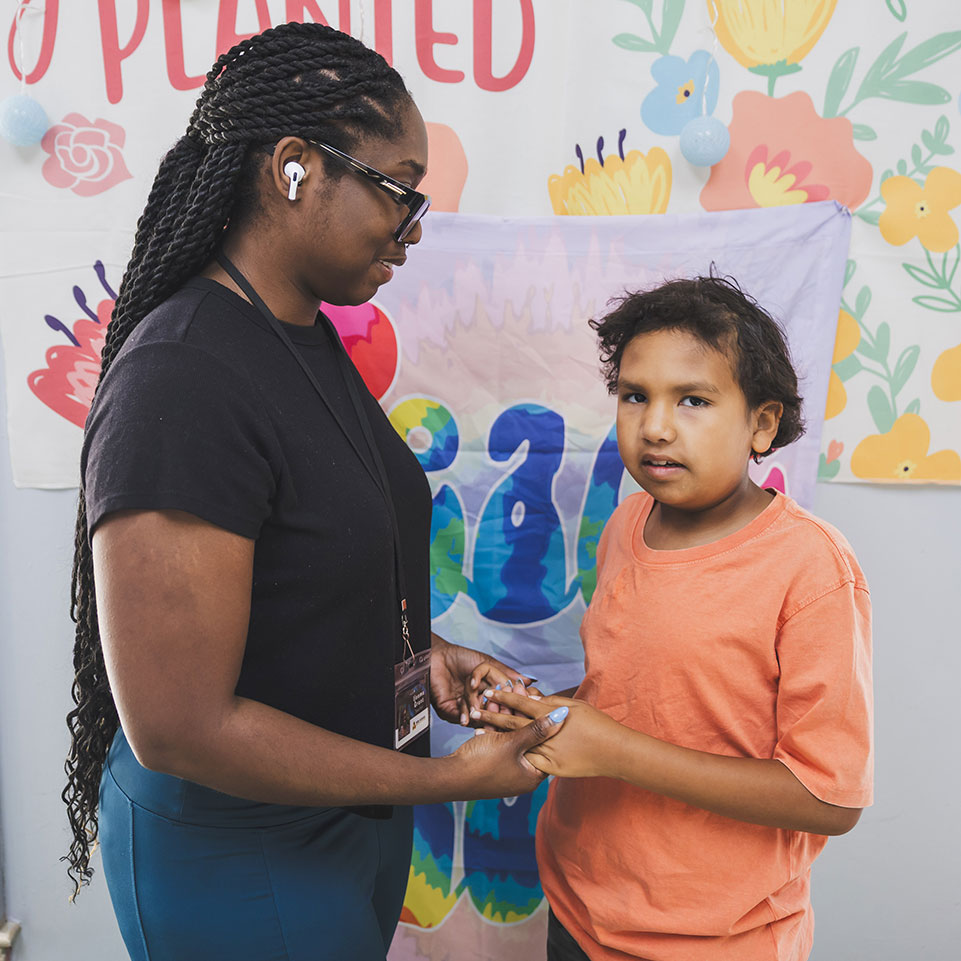
Occupational Therapy Support in Marietta
Through our partnership with Greater Atlanta Speech and Language Clinic, students receive expert occupational therapy services directly on campus from licensed therapists who specialize in sensory integration. This unique arrangement means that therapeutic support is seamlessly woven into each student’s educational experience.
Our occupational therapists work closely with classroom teachers to ensure that sensory strategies are implemented consistently throughout the day. They provide direct intervention, environmental modifications, and ongoing consultation to create optimal learning conditions for their clients sensory profile.
Sensory Integration Therapy
Students participate in structured sensory integration activities designed to help their nervous systems process and respond to sensory information more effectively. These activities are playful and engaging while addressing specific sensory processing challenges.
Environmental Design and Modification
The teachers assess and modify classroom environments to reduce sensory stressors and provide appropriate sensory input for their classes. This includes lighting adjustments, noise management, seating options, and designated sensory spaces.
Structured Daily Routines and Supportive Transitions
Students benefit from consistent, predictable daily routines that support smooth transitions between activities and help maintain engagement throughout the school day. Teachers use proactive strategies such as clear expectations, visual structure, and built-in breaks to support regulation and readiness for learning.
Equipment and Tool Provision
Students have access to specialized sensory equipment including weighted items, fidget tools, alternative seating, noise-canceling headphones, and other adaptive materials that support their sensory needs.
Comprehensive Sensory Support Systems
Sensory-Smart Classroom Design
Our learning environments feature flexible lighting, designated quiet spaces, movement opportunities, and sensory-friendly materials that accommodate diverse sensory preferences and needs.
Movement Integration
Regular movement breaks, alternative seating options, and kinesthetic learning opportunities are built into daily routines to support students who need movement for regulation and attention.
Calming and Alerting Strategies
Students learn personalized techniques for managing sensory overwhelm or under-arousal, including deep pressure activities, breathing exercises, and sensory tools that promote self-regulation.
Social Sensory Support
We help students understand their sensory needs and communicate about them with peers and adults, building self-advocacy skills and sensory awareness in social contexts.
Areas of Sensory Processing Challenges That We Address
Students with sensory processing challenges often need support when they experience:
Daily Sensory Integration at MDE School
Sensory Breaks and Movement
Throughout the day, students receive planned sensory breaks that help maintain regulation. These aren’t rewards or punishments but necessary neurological support for optimal functioning.
Adaptive Learning Materials
All academic materials and activities are selected and modified with sensory considerations in mind, ensuring that sensory barriers don’t prevent access to curriculum content.
Peer Understanding and Support
We educate all students about sensory differences, creating a community where sensory accommodations are understood and accepted as normal variations in human neurology.
Sensory Transition Support
Special attention is given to transitions between activities, environments, and daily routines, which can be particularly challenging for students with sensory processing differences.
Frequently Asked Questions About Sensory Processing Challenges
-
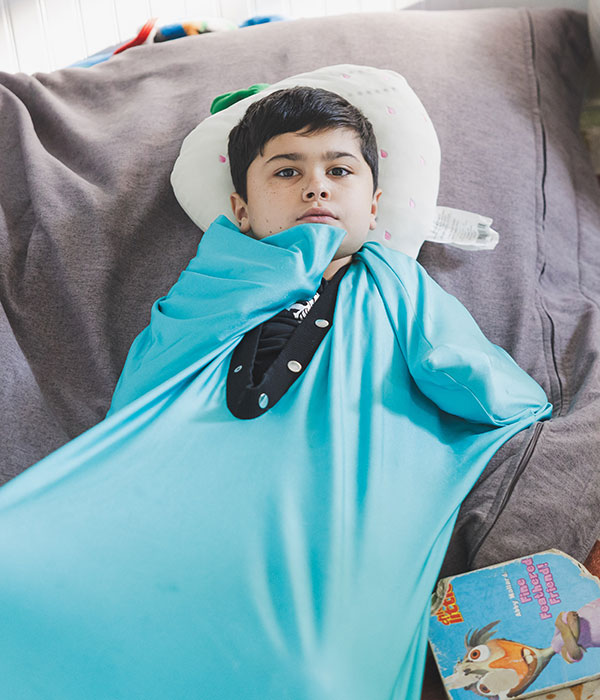
We offer a wide range of sensory tools including weighted items, compression clothing, fidget tools, noise-reducing headphones, alternative seating, tactile materials, and specialized lighting options.
-
We focus on prevention through environmental design and sensory diets, but when overwhelm occurs, we have trained staff who provide calm support and access to sensory regulation spaces.
-
With appropriate occupational therapy intervention and environmental support, many students develop better sensory processing skills and coping strategies, though individual progress varies.
-
We gradually build tolerance and coping skills while teaching self-advocacy so students can request accommodations and use strategies in various settings.
Excellence in Sensory Processing Support
MDE School’s sensory processing programs combine environmental design, occupational therapy expertise, and educational innovation to create learning experiences where sensory differences become strengths rather than barriers. Our Georgia Accrediting Commission accreditation and recognition as “Best Special Needs/Learning Differences School” by My East Cobb reflect our commitment to excellence in serving students with complex sensory needs.
What sets our program apart is our understanding that sensory processing affects every aspect of a student’s educational experience. Rather than treating sensory needs as separate issues, we integrate sensory support into academics, social interactions, and daily routines, creating comprehensive environments where all students can thrive.
Our son has made a lot of progress since starting MDE. He feels safe at school and his anxiety is less than it was in public school. He is receiving a lot of 1:1 help from the MDE reading specialists. He has struggled with reading for so long but now he has started to read beginning reader books.
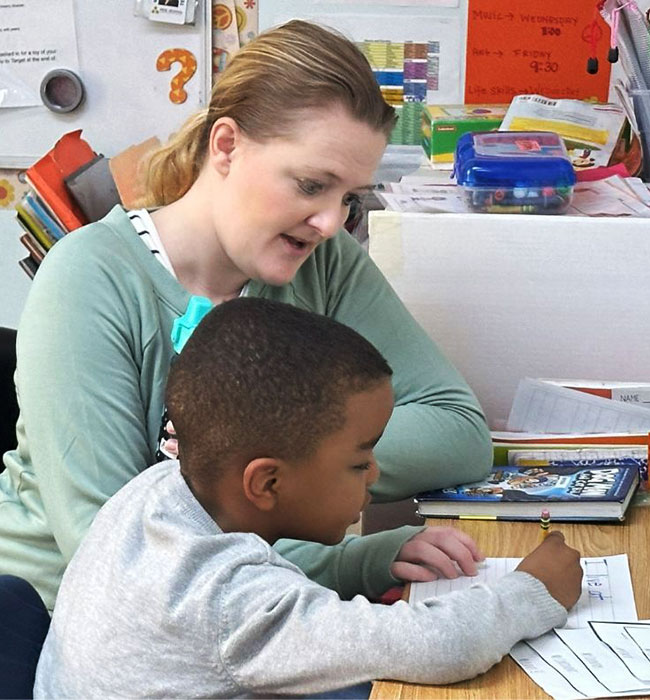
Who We Are
MDE School is the only special education school in the Atlanta metro area supporting neurodiverse students from preschool through early adulthood. As a nonprofit private school, we provide personalized education for students with developmental delays who may not thrive in traditional settings.
Our tailored academics, enrichment programs, and life skills training empower each student to reach their full potential in a supportive, nurturing environment. When ready, students can transition seamlessly to MDE Vocational Academy on our campus, serving young adults ages 15+ with a focus on vocational, life, and social skills.
Our experienced team specializes in working with students with autism, Down syndrome, cerebral palsy, communication disorders, and other learning differences supporting each child’s academic, social, and emotional growth at their own pace.
Sensory Success Begins Here
Students with sensory processing challenges deserve educational environments that understand and support their neurological differences while helping them develop skills for lifelong success. At MDE School, we create sensory-smart learning communities where differences are celebrated and every student can access their full potential.
If your child experiences sensory processing challenges, our expert programs can provide the occupational therapy support, environmental modifications, and comprehensive understanding they need to feel comfortable, regulated, and ready to learn. Contact MDE School today to discover how our sensory-informed approach can transform your child’s educational experience.
Located at 1517 Johnson Ferry Road in Marietta, we serve families throughout the Atlanta metro area with innovative sensory processing support that turns overwhelming sensory experiences into opportunities for growth, learning, and self-understanding.