At MDE School, we understand that students with cerebral palsy have unique physical, communication, and learning needs that require thoughtful adaptation and individualized support. Our adaptive education programs are specifically designed to accommodate the diverse abilities of students with cerebral palsy while fostering academic growth, independence, and confidence.
Cerebral palsy affects approximately 1 in 345 children in the United States, making it the most common motor disability in childhood according to the CDC. With about 10,000 babies diagnosed with cerebral palsy each year, families increasingly seek educational environments that can adapt to their child’s physical limitations while maximizing their learning potential and independence.
Understanding Cerebral Palsy in Educational Settings
Cerebral palsy is a group of neurological disorders that primarily affect movement, posture, and muscle coordination due to damage to the developing brain before, during, or shortly after birth. While the physical challenges are most apparent, students with cerebral palsy may also experience difficulties with communication, vision, hearing, and learning that require educational adaptations.
Effective education for students with cerebral palsy begins with understanding each learner’s unique combination of physical, communication, and cognitive needs. For students who also have intellectual delays, progress is best supported through highly individualized instruction that prioritizes functional academics, communication development, and meaningful life skills. With appropriate supports, adaptive strategies, and assistive technology, students can make meaningful progress and build skills that increase independence and participation in daily life.
Types of Cerebral Palsy and Educational Considerations
Students with cerebral palsy present with varying types and severities of the condition, each requiring different educational approaches:
Spastic Cerebral Palsy affects over 77% of students with CP, causing muscle stiffness and difficulty with movement. These students often benefit from modified writing tools, and assistive technology for communication and learning.
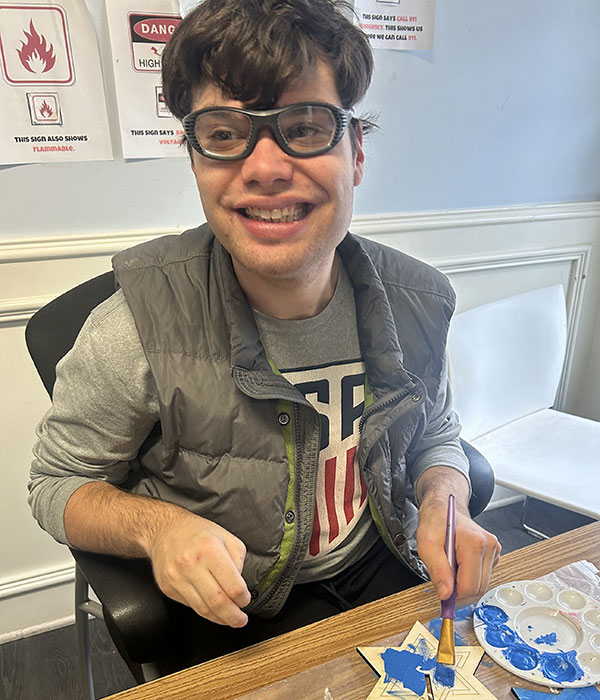
Dyskinetic Cerebral Palsy involves involuntary movements that can interfere with speech, writing, and fine motor tasks. Students may need alternative communication methods and adaptive equipment to participate fully in academics.
Ataxic Cerebral Palsy affects balance and coordination, impacting handwriting, mobility, and participation in physical activities. These students often succeed with and alternative methods for demonstrating knowledge.
Our Adaptive Education Approach
Physical Accessibility and Learning Environment
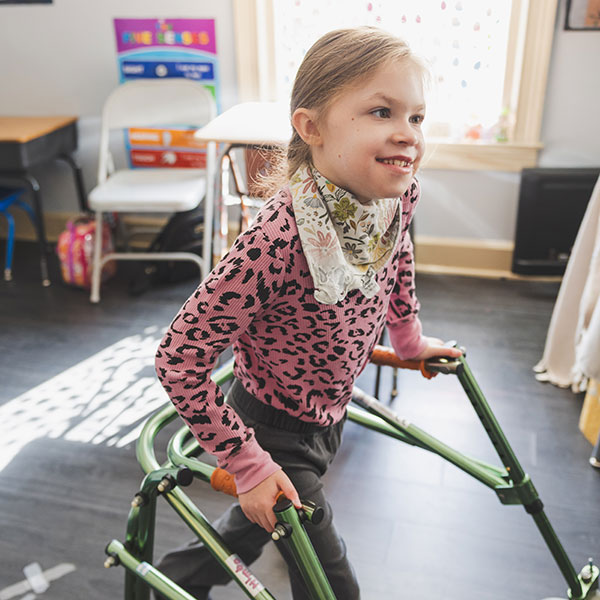
Our learning environments are fully wheelchair accessible, allowing students to move comfortably and safely throughout campus and participate in all activities. Classroom instruction is delivered in flexible settings that support student engagement and access to learning throughout the school day.
Classroom Technology and Adaptations
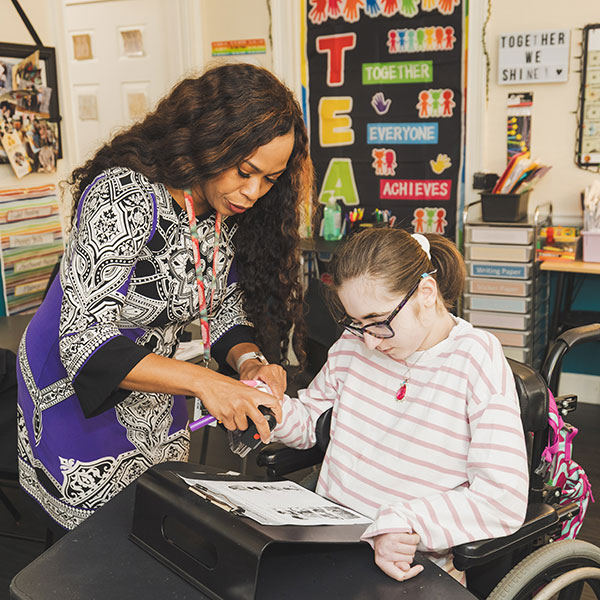
Teachers use flexible strategies and classroom tools to adapt lessons so each student can access and engage with the curriculum. iPads are often used to modify assignments, and students are provided with supports that align with their individual learning styles and abilities.
Communication Support Systems
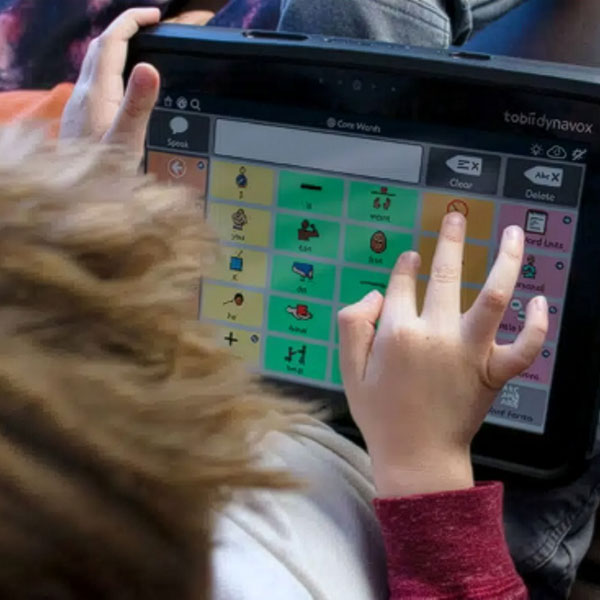
Many students with cerebral palsy face communication challenges due to muscle control difficulties affecting speech. The speech therapists from Greater Atlanta Speech and Language Clinics can work with students to develop alternative communication methods, from simple picture boards to sophisticated speech-generating devices, ensuring every student can express their thoughts and participate in classroom discussions.
Therapeutic Integration Throughout the Day
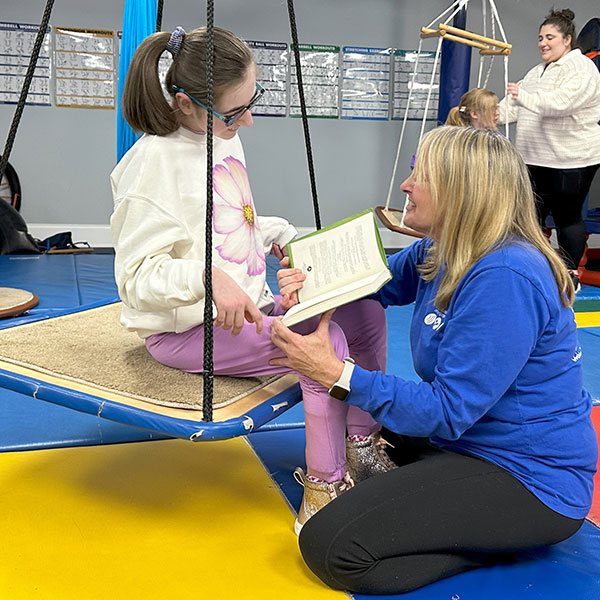
Through our partnership with Greater Atlanta Speech and Language Clinic, students can receive speech, occupational, physical, feeding and vision therapies seamlessly integrated into their school day. This approach ensures that therapeutic goals support educational objectives while maintaining students’ energy for learning.
Reasons Families Choose Our Cerebral Palsy Programs in Marietta
Families often turn to MDE School when their child with cerebral palsy needs:
Daily Life in Our Adaptive Programs
Morning Arrival and Preparation
Students begin each day with assistance in organizing materials, and preparing assistive technology devices. Our staff understands that morning routines may take longer for students with cerebral palsy and build appropriate time into schedules.
Academic Instruction with Accommodations
Classroom instruction incorporates multiple means of presenting information to accommodate different sensory and processing needs. Visual supports, hands-on materials, and technology tools ensure that physical limitations don’t prevent students from accessing content.
Structured Breaks Throughout the Day
Students have scheduled breaks built into the school day to rest, reset, and transition between activities, helping support focus and engagement for learning.
Social and Recreational Adaptations
Physical education, art, music, and other activities are adapted to ensure full participation regardless of physical abilities. Students learn that differences in how they participate don’t diminish the value of their contributions.
Communication and Self-Advocacy Development
Students work on developing communication skills and self-advocacy abilities, learning to express their needs, preferences, and ideas effectively using whatever communication methods work best for them.
Vocational and Life Skills Development
Through our Vocational Academy, students build practical job and daily living skills that support increased independence and meaningful participation in everyday life.
Frequently Asked Questions About Cerebral Palsy Education
-
Our campus is fully wheelchair and walker accessible, with ramps and elevators throughout to ensure students can move safely and comfortably between classrooms and learning spaces. The transportation used for vocational academy community-based training is also equipped with a wheelchair lift for accessibility.
-
Instruction is adapted by teachers so students can participate in ways that work best for them. iPads, along with flexible teaching strategies, allow teachers to support students in engaging with content and completing activities in accessible, individualized ways.
-
The speech therapists at Greater Atlanta Speech and Language Clinics can assess each student’s communication needs and implement appropriate solutions, from simple communication boards to sophisticated speech-generating devices.
-
Yes, we adapt all activities to ensure full participation. This may involve modified equipment, alternative participation methods, or assistive technology, but every student can engage meaningfully.
-
Our Vocational Academy focuses on building job and daily living skills that support greater independence. Students receive hands-on instruction in workplace routines, community-based job training, and practical life skills that prepare them for meaningful participation in adult life.
-
Absolutely. We collaborate with students’ medical teams, equipment vendors, and outside therapists to ensure continuity of care and appropriate accommodations.
Why MDE School Excels in Cerebral Palsy Education
MDE School’s approach to supporting students with cerebral palsy combines individualized instruction in small classrooms with integrated on-campus therapy services and accessible classroom environments to support learning and participation. Our Georgia Accrediting Commission accreditation and recognition as “Best Special Needs/Learning Differences School” by My East Cobb demonstrate our commitment to excellence in serving students with complex physical and learning needs.
What sets us apart is our understanding that students with cerebral palsy often have strong cognitive abilities that can flourish when physical barriers are removed through appropriate accommodations. Our small class sizes allow for individualized attention to each student’s unique combination of abilities and needs, while our therapeutic partnerships ensure that physical development supports educational progress.
We like the structure of the MDE School classroom and the way the curriculum is developmentally appropriate for where our son is academically. The small student to teacher ratio MDE School offers is also real plus.
Who We Are
MDE School is the only special education school in the Atlanta metro area supporting neurodiverse students from preschool through early adulthood. As a nonprofit private school, we provide personalized education for students with developmental delays who may not thrive in traditional settings.
Our tailored academics, enrichment programs, and life skills training empower each student to reach their full potential in a supportive, nurturing environment. When ready, students can transition seamlessly to MDE Vocational Academy on our campus, serving young adults ages 15+ with a focus on vocational, life, and social skills.
Our experienced team specializes in working with students with autism, Down syndrome, cerebral palsy, communication disorders, and other learning differences supporting each child’s academic, social, and emotional growth at their own pace.
Start Your Child’s Adaptive Education Journey
Students with cerebral palsy deserve educational opportunities that recognize their potential while addressing their unique needs. At MDE School, we create learning environments where physical differences become simply another aspect of human diversity, not barriers to achievement.
If your child has cerebral palsy, our adaptive education programs can provide the individualized support, assistive technology, and therapeutic integration they need to thrive academically and develop independence. Contact MDE School today to learn more about our cerebral palsy programs and discover how our adaptive approach can unlock your child’s potential.
Located at 1517 Johnson Ferry Road in Marietta, we serve families throughout the Atlanta metro area with innovative adaptive education that transforms challenges into opportunities for growth and success.